


For Parents

Happy smiling families from five continents
Real red roses with green leaves
🌈 Research-informed • Human-centered • Global

Parenting with Love, Wisdom & Light

A world-class parenting hub for raising kind, brave, emotionally strong, curious and capable human beings — from the first day of life to the lifelong relationship between generations.

Scientific Foundations

The Seven Foundations of Strong Parenting

Built around responsive relationships, developmental science, emotional regulation, character, mindful caregiving, family systems and evidence-based support.

🫶

Responsive Connection

Back-and-forth, attentive interaction helps children feel safe, seen and ready to learn.

🧠

Brain & Development

Expectations should match the child’s developmental stage, temperament and individual differences.

💛

Emotional Safety

Connection comes before correction when a child is overwhelmed; calm adults make learning possible.

🌱

Positive Guidance

Boundaries work best when they are predictable, respectful and aimed at teaching rather than shaming.

🧘

Mindful Parenting

Awareness, self-regulation and compassionate communication help parents respond instead of react.

🦋

Character & Meaning

Kindness, honesty, courage, gratitude, service and purpose are taught most powerfully through lived example.

🌍

Culture & Family Systems

Parenting happens inside culture, migration, economics, community, identity, disability and relationships.

Ages & Stages

From First Breath to Family Legacy

Twelve beautifully organized life stages, with five practical priorities for each stage. Parenting changes; the need for dignity, connection and belonging does not.

The First Bond
0–1

The First Bond

Love, safety & brain building
  • Respond warmly to cries, gestures, sounds and eye contact.
  • Create predictable feeding, sleep and soothing rhythms.
  • Talk, sing, cuddle and read every day.
  • Support safe movement and sensory exploration.
  • Protect caregiver rest and emotional wellbeing.
Curiosity in Motion
1–2

Curiosity in Motion

Connection, language & safe exploration
  • Name objects, emotions and everyday actions.
  • Offer safe choices while keeping clear limits.
  • Use play to build language and problem-solving.
  • Expect big feelings; lend your calm.
  • Praise effort, connection and safe exploration.
Big Feelings, Bright Minds
3–5

Big Feelings, Bright Minds

Play, routines & emotional coaching
  • Keep routines simple, visual and predictable.
  • Coach feelings before correcting behaviour.
  • Use stories, pretend play and movement for learning.
  • Set brief, calm and consistent limits.
  • Practice kindness, turn-taking and repair.
Confidence Begins
6–8

Confidence Begins

Habits, belonging & learning joy
  • Build routines for sleep, school and play.
  • Celebrate progress more than perfection.
  • Invite questions and curiosity without shame.
  • Teach friendship, fairness and problem-solving.
  • Keep family connection stronger than performance pressure.
Growing Independence
9–12

Growing Independence

Identity, skills & responsibility
  • Give meaningful responsibilities and real choices.
  • Talk early about technology, privacy and peer pressure.
  • Protect play, sleep and offline family time.
  • Teach study habits and emotional vocabulary.
  • Stay close while allowing healthy independence.
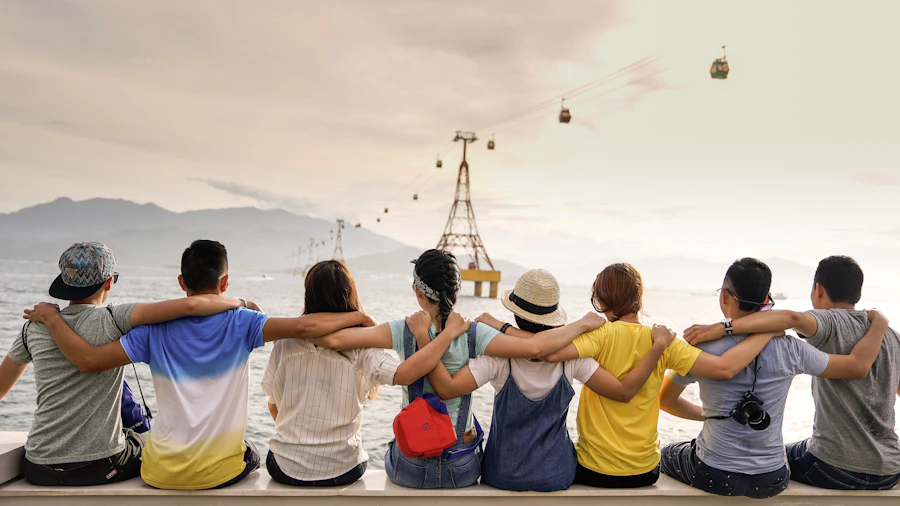
The Identity Years
13–15

The Identity Years

Trust, boundaries & emotional safety
  • Listen before advising or fixing.
  • Use respectful boundaries, not humiliation.
  • Normalize changing emotions and identity exploration.
  • Discuss friendships, consent, online life and safety.
  • Keep connection open even when they pull away.
Launch with Courage
16–18

Launch with Courage

Decision-making, values & future skills
  • Shift from control toward coaching and collaboration.
  • Practice budgeting, planning and life skills.
  • Talk about relationships, values and long-term goals.
  • Support setbacks as part of competence-building.
  • Protect trust while holding clear safety expectations.
Emerging Adulthood
19–25

Emerging Adulthood

Autonomy, belonging & wise support
  • Respect adult autonomy and privacy.
  • Offer support without taking over.
  • Discuss work, education, finances and healthy relationships.
  • Keep family connection flexible and non-controlling.
  • Celebrate identity, purpose and growing competence.
Building a Life
26–35

Building a Life

Partnership, purpose & family transitions
  • Support new roles without imposing old expectations.
  • Respect partners, careers and chosen family structures.
  • Make room for cultural and intergenerational dialogue.
  • Offer practical help that preserves dignity.
  • Keep love steady through transitions and change.

The Generative Years
36–50

The Generative Years

Leadership, care & resilience
  • Balance guidance with adult-to-adult respect.
  • Model healthy conflict repair and boundaries.
  • Support caregiving without guilt or martyrdom.
  • Keep joy, friendship and couple/family connection alive.
  • Teach through example: courage, service and integrity.
Wisdom in Motion
51–60

Wisdom in Motion

Mentorship, dignity & connection
  • Let advice be invited rather than imposed.
  • Share family stories, traditions and practical wisdom.
  • Strengthen intergenerational bonds with respect.
  • Support changing family roles with flexibility.
  • Protect mutual dignity, humour and belonging.
Legacy & Love
61–70

Legacy & Love

Meaning, gratitude & intergenerational strength
  • Offer presence, perspective and unconditional regard.
  • Pass on stories, values and cultural memory.
  • Encourage autonomy in younger generations.
  • Create rituals of gratitude and family connection.
  • Celebrate contribution, meaning and shared legacy.
Parenting A–Z

Essential Parenting Topics — Clear, Practical, Complete

Each section gives a concise evidence-informed overview, designed to be readable, translatable and useful in real family life.

Attachment & Belonging
RELATIONSHIP

Attachment & Belonging

Children grow best when they experience warmth, predictability and emotional availability. Notice bids for connection, respond consistently, repair after disconnection and create family rituals that signal “you belong here.” Secure relationships support exploration because the child knows there is a safe base to return to.

Calm Communication
CONNECTION

Calm Communication

Speak clearly, briefly and respectfully. Name the feeling, describe the limit, then offer a next step. Avoid sarcasm, threats and public shaming. Children borrow the adult nervous system; a regulated voice makes learning possible. Repair quickly when conversations go badly.

Positive Discipline
BOUNDARIES

Positive Discipline

Discipline means teaching, not frightening. Use predictable rules, natural or logical consequences, and coaching that matches the child’s developmental level. Separate the child’s worth from the behaviour. Be firm on safety, gentle on dignity, and consistent enough that limits feel dependable.

Emotional Regulation
INNER SKILLS

Emotional Regulation

Help children notice body signals, name emotions and practice calming skills before expecting self-control under stress. Build a small toolkit: breathing, movement, water, sensory breaks, words, time, connection. Adults should model recovery rather than pretending they never feel angry or overwhelmed.

Sleep & Family Rhythms
HEALTH

Sleep & Family Rhythms

Sleep supports attention, mood, learning and family stability. Create an age-appropriate wind-down sequence, reduce conflict close to bedtime and keep wake/sleep times as consistent as practical. Treat persistent sleep problems as something to investigate compassionately, not as defiance.

Nutrition & Body Respect
HEALTH

Nutrition & Body Respect

Offer structure without turning food into shame, reward or fear. Make balanced foods available, involve children in shopping or cooking, and respect hunger/fullness cues where appropriate. Talk about strength, energy and health more than appearance. Seek professional advice for feeding concerns or growth issues.

Learning Without Pressure
LEARNING

Learning Without Pressure

Curiosity grows when children feel safe to be wrong. Praise strategy, effort, persistence and asking for help rather than labeling children “smart” or “bad at” a subject. Build routines around reading, conversation and exploration while protecting play, sleep and identity beyond grades.

Digital Life & Online Safety
MODERN PARENTING

Digital Life & Online Safety

Create a family media plan that changes with age. Discuss privacy, scams, harmful content, cyberbullying, consent, sleep and attention. Use co-viewing and conversation, not surveillance alone. Model the digital behaviour you want to see, including device-free connection.

Friendship & Bullying
SOCIAL WORLD

Friendship & Bullying

Teach children to recognize kindness, reciprocity, coercion and exclusion. Practice what to say when boundaries are crossed and how to ask an adult for help. Take bullying seriously, document patterns and work with schools or services when needed. Friendship skills can be coached and practiced.

Resilience & Courage
CHARACTER

Resilience & Courage

Resilience is not “never struggling.” It grows through supportive relationships, manageable challenges, problem-solving and recovery. Let children do hard things with backup nearby. Tell stories of effort, repair and courage. Protect them from overwhelming harm while avoiding over-rescuing every frustration.

Gratitude, Meaning & Spirituality
VALUES

Gratitude, Meaning & Spirituality

Families can nurture awe, gratitude, service, reflection and meaning in ways that fit their beliefs and culture. Values become powerful when adults live them visibly. Build small rituals: gratitude at meals, service, stories, nature, prayer or reflection, forgiveness and acts of generosity.

Family Conflict & Repair
REPAIR

Family Conflict & Repair

Healthy families still have conflict. The goal is safe conflict, accountability and repair. Pause when escalation is high, return to the issue, name impact, listen, apologize specifically and decide what changes next time. Never require a child to tolerate violence, intimidation or degrading treatment.

Parent Self-Care
CAREGIVER CAPACITY

Parent Self-Care

A depleted caregiver has less capacity for patience, planning and repair. Protect sleep where possible, ask for practical help, lower perfectionistic standards and maintain adult relationships outside the parenting role. Self-care is not indulgence; it is part of creating a stable developmental environment.

Neurodiversity & Individual Differences
INCLUSION

Neurodiversity & Individual Differences

Children differ in attention, sensory needs, communication, learning, temperament and development. Replace “why won’t they?” with “what is making this hard?” Adapt routines, instructions and environments. Strength-based support and professional assessment can coexist with high expectations and respect.

Migration, Culture & Identity
BELONGING

Migration, Culture & Identity

Migration can bring opportunity, grief, language change and identity tension. Keep cultural stories and home language alive while helping children belong in the new society. Avoid making children choose between identities. Talk openly about discrimination, adaptation, pride and family expectations.

Divorce, Separation & Co-Parenting
TRANSITIONS

Divorce, Separation & Co-Parenting

Protect children from adult conflict and loyalty tests. Give simple truthful explanations, keep routines predictable and never use the child as messenger or investigator. Children need permission to love both caregivers when safe. Seek professional or legal help when conflict, coercion or safety risks are present.

Fathers, Grandparents & Care Networks
FAMILY SYSTEM

Fathers, Grandparents & Care Networks

Children benefit from safe, loving and dependable relationships with multiple caregivers. Invite fathers, grandparents, kin and chosen family into meaningful roles without undermining the primary caregiver. Align on safety and core values while allowing different loving styles.

Success Without Losing Joy
FUTURE

Success Without Losing Joy

Achievement is healthiest when it grows alongside wellbeing, relationships and integrity. Set ambitious but humane expectations. Teach planning, practice and perseverance, then protect rest, play, friendship and identity. A child should never believe love is earned by grades, trophies or status.

Deeper Toolkit

Open the Topic You Need Right Now

Compact guidance for common high-stress parenting situations.

Tantrums, Meltdowns & Explosive Moments
Reduce words, increase safety and regulate yourself first. Separate a developmental meltdown from deliberate testing. Once calm returns, name what happened, practice a replacement skill and reconnect. If episodes are severe, frequent, dangerous or linked to developmental concerns, seek professional assessment.
When a Child Lies
Avoid turning one lie into a character verdict. Ask what the child was trying to avoid or achieve, make honesty safer, and apply proportionate consequences to the underlying behaviour. Model truthfulness yourself and praise truthful disclosure, especially when it is difficult.
Sibling Conflict
Do not force instant apologies. Stop aggression, hear each side briefly, name the problem and coach a workable solution. Give children some conflicts to solve with supervision nearby. Avoid fixed labels such as “the difficult one” or “the responsible one.”
Homework, Grades & Motivation
Create a routine, remove distractions, break work into steps and praise strategy. If performance drops sharply, investigate sleep, learning needs, mental health, bullying, stress or overload before adding pressure. Keep the relationship bigger than the report card.
Teen Privacy & Trust
Teenagers need growing privacy and continued safety. Explain what is private, what parents may monitor, and what circumstances override privacy because of serious risk. Avoid secret surveillance when a transparent agreement can work; rebuild trust through specific behaviours on both sides.
Dating, Consent & Relationships
Talk before a crisis. Discuss respect, pressure, consent, digital images, contraception, safety, values and emotional readiness in age-appropriate language. Make it clear that asking for help will not automatically trigger humiliation or punishment.
When Parents Disagree About Parenting
Do not fight for authority through the child. Agree on a few non-negotiables: safety, respect and basic routines. Discuss differences privately, then present a calm plan. Children can tolerate different caregiver styles better than chronic hostility or unpredictable rules.
When to Seek Professional Help
Seek qualified help when there is risk of harm, persistent severe behaviour change, significant developmental delay, eating or sleeping problems that impair functioning, substance use, abuse, suicidal thoughts, psychosis, severe anxiety/depression, or when family conflict feels unsafe. This page is educational, not a diagnosis or emergency service.
Love • Meaning • Courage • Victory

The Family Values We Want Children to Carry Into the World

Not slogans — lived qualities that become part of a child’s identity through thousands of small family moments.

❤️Love
Warmth without humiliation
🕯️Meaning
Purpose, spirituality & reflection
🦁Courage
Do hard things with integrity
🤝Compassion
Strength that protects dignity
🏆Victory
Progress without losing joy
50 University Sources • 5 Continents

Global Research Library

A curated institutional map for deeper reading. The page synthesizes broad evidence-informed themes and links visitors toward major university research ecosystems; it does not imply endorsement by any institution.

North America Harvard University
Center on the Developing Child
Open university source ↗
North America Stanford University
Parenting Center / Child & Adolescent Psychiatry
Open university source ↗
North America UC Berkeley
Greater Good Parenting
Open university source ↗
North America Yale University
Yale Child Study Center
Open university source ↗
North America Columbia University
Children & Family research ecosystem
Open university source ↗
North America University of Toronto
Child & family research ecosystem
Open university source ↗
North America University of British Columbia
Human Early Learning Partnership
Open university source ↗
North America McGill University
Centre for Research on Children and Families
Open university source ↗
North America UCLA
Child & family research ecosystem
Open university source ↗
North America University of Minnesota
Institute of Child Development
Open university source ↗
Europe University of Oxford
Global Parenting Initiative
Open university source ↗
Europe University of Cambridge
Centre for Family Research
Open university source ↗
Europe University College London
Developmental science / child health research
Open university source ↗
Europe King's College London
Child & adolescent mental health research
Open university source ↗
Europe University of Edinburgh
Child life & health research
Open university source ↗
Europe University of Helsinki
Child development / education research
Open university source ↗
Europe Karolinska Institutet
Child & adolescent health research
Open university source ↗
Europe University of Amsterdam
Child development & education
Open university source ↗
Europe LMU Munich
Developmental psychology research
Open university source ↗
Europe University of Copenhagen
Children, education & family research
Open university source ↗
Asia National University of Singapore
Centre for Family and Population Research / SG-LEADS
Open university source ↗
Asia The University of Hong Kong
Early childhood development research
Open university source ↗
Asia Chinese University of Hong Kong
Family & child development research
Open university source ↗
Asia The University of Tokyo
Family / childrearing scholarship
Open university source ↗
Asia Kyoto University
Human development research ecosystem
Open university source ↗
Asia Tsinghua University
Social science / family research
Open university source ↗
Asia Peking University
Psychology / child development research
Open university source ↗
Asia Seoul National University
Child development & family studies
Open university source ↗
Asia University of Malaya
Child & adolescent health research
Open university source ↗
Asia HKUST
Social science / family research
Open university source ↗
Africa University of Cape Town
Global Parenting Initiative / Parenting for Lifelong Health
Open university source ↗
Africa University of the Witwatersrand
Child / family / public health research
Open university source ↗
Africa Stellenbosch University
Child & family research ecosystem
Open university source ↗
Africa University of Nairobi
Child / family / health research
Open university source ↗
Africa Makerere University
Child health & family research
Open university source ↗
Africa University of Ghana
Child development / public health research
Open university source ↗
Africa University of Ibadan
Child health / family research
Open university source ↗
Africa University of Pretoria
Family / child / education research
Open university source ↗
Africa University of Lagos
Child / family / health research
Open university source ↗
Africa American University in Cairo
Family / social science research
Open university source ↗
Oceania Monash University
Mindful Parenting / consciousness & contemplative studies
Open university source ↗
Oceania University of Melbourne
Child & family research ecosystem
Open university source ↗
Oceania University of Sydney
Child & adolescent health research
Open university source ↗
Oceania UNSW Sydney
Child & family research ecosystem
Open university source ↗
Oceania Australian National University
Population / family research
Open university source ↗
Oceania University of Queensland
Parenting and Family Support Centre
Open university source ↗
Oceania University of Auckland
Child & family research ecosystem
Open university source ↗
Oceania University of Otago
Child health / family research
Open university source ↗
Oceania Deakin University
Family / child wellbeing research
Open university source ↗
Oceania Macquarie University
Child development / psychology research
Open university source ↗
Selected anchors include Harvard Center on the Developing Child, Stanford Parenting Center, UC Berkeley Greater Good Parenting, Oxford Global Parenting Initiative, University of Cape Town CSSR, NUS SG-LEADS, Monash Mindful Parenting, UQ Parenting and Family Support Centre, and other university research hubs.
Important: This hub is for education and family learning. It is not medical, psychiatric, legal or emergency advice. If a child or caregiver may be in immediate danger, contact local emergency services or an appropriate licensed professional. Developmental, behavioural and mental-health concerns deserve individualized assessment when they are persistent, severe or impair daily life.
Your Existing CashCoPlay Tool

Parenting Master Test – 10 Step Assessment

The 10-step assessment is a paid CashCoPlay tool. Access is unlocked after the $5 payment is completed.

Open Parenting Assessment

Unlock the Parenting Master Test

Pay once to open the complete 10-step parenting assessment. The test stays hidden until the payment is confirmed.

$5

Pay $5 & Unlock Test

Secure checkout is handled by your website's WooCommerce payment system.

A Special Message to Parents

Play With Your Child. Compete With Your Child. Grow Together.

One of the most valuable things you can give your child is your time. Through friendly competition, children can learn that winning feels wonderful, losing is not the end, and effort, persistence, and trying again are essential parts of life.

Teach Confidence

Let your children experience challenge, improvement, and achievement. Every game can help them build confidence, courage, and belief in their abilities.

Teach Winning & Losing

A child should learn both success and disappointment in a healthy way. Friendly competition teaches that winning is joyful, but losing is not the end.

Teach Effort & Persistence

Children learn that trying again matters. Persistence, self-control, and not giving up are life skills that can be practiced naturally through play.

Spend Meaningful Time Together

When parents and children play side by side, trust grows. Shared fun creates a relaxed environment for conversation, closeness, and stronger relationships.

Reduce Unproductive Screen Time

Playing together can help reduce passive or excessive social media use and replace it with laughter, connection, purpose, and practical learning.

Invest in Your Child

This is more than entertainment. It can become an investment in your relationship with your child and a practical lesson in life, effort, and emotional growth.

Why We Recommend a Two-Player CashCoPlay Puzzle Challenge

CashCoPlay encourages parents to spend meaningful time with their children through a simple two-player puzzle competition. Instead of only watching your child play, join them and compete together. In a two-player puzzle challenge between you and your child, one of the two of you will win. Under the applicable CashCoPlay competition terms, approximately 75% of the entry money is returned as the cash prize to the winner. If you continue participating, CashCoPlay loyalty benefits may also make the remaining value available in the form of non-cash store credit that can be used toward eligible purchases in the CashCoPlay store.

In this way, the experience is more than entertainment. It can become an investment in your relationship with your child.

By spending time playing together, you can help reduce the amount of time that might otherwise be spent passively or excessively on social media or other unproductive activities. More importantly, you create an opportunity to teach important life lessons in a natural and practical way: how to enjoy success without arrogance, how to accept disappointment without giving up, how to try again after losing, and how persistence can eventually lead to improvement.

You are not simply telling your child these lessons — you are experiencing them together.

Playing side by side can also help strengthen trust between parents and children. Instead of constantly giving instructions, warnings, or advice that teenagers may sometimes resist, shared activities can create a more relaxed environment for conversation. When you spend enjoyable time together, you may naturally learn more about your child’s thoughts, hopes, worries, interests, and dreams.

That understanding gives you the opportunity to guide them more wisely and indirectly. Rather than confronting them with constant warnings that may create resistance, you can help create a safer and more supportive path toward their goals while still respecting their growing independence.

Your child can gradually begin to see you not only as a parent who gives rules, but also as someone who listens, understands, plays, laughs, competes, and spends meaningful time with them.

All it takes is one hour during a weekend or holiday.

Register for a CashCoPlay two-player puzzle challenge with your child. Sit together, start immediately, compete, experience the excitement, laugh together, enjoy the suspense of the game, and create a memory together.

Teach winning. Teach losing. Teach trying again. Teach perseverance. But most importantly, be there and experience it with them.

Research References

The sources below support the broader parenting principles behind this message, especially the value of play, connection, communication, resilience, and responsive parent-child interaction.

Important note: These sources support the developmental value of play and parent-child interaction. The specific CashCoPlay financial details should always follow the actual competition rules, payment terms, and store-credit policies published by CashCoPlay.

Scroll to Top